HPV & Cervical Cancer Care
시술 프로그램

HPV & Cervical Cancer Care

From cervical screening to PDT photodynamic therapy

Book Now
Key Info

Key Treatment Information at a Glance

Essential details including treatment duration, anesthesia method, and recovery period

Anesthesia
AnesthesiaNone
Duration
Duration15-30m
Recovery
RecoveryInstant
Hospital
HospitalOutpat
Who It's For

Recommended If You Have These Concerns

Check if this treatment is right for your symptoms and condition

Abnormal Vaginal Bleeding
Bleeding outside menstrual period or after intercourse
Unusual Discharge
Unusual Discharge
Discharge with unusual color or odor
Lower Abdominal Discomfort
Persistent discomfort or pain in pelvic or lower abdominal area
Process

How the Treatment Process Works

From consultation to completion, we guide you through each step

1
Our Edge

Why Choose Wooahan Women's Clinic

Differentiated results driven by extensive clinical experience and specialized expertise

Early HPV Detection
Early HPV Detection

Detect high-risk HPV through precise screening

PDT Virus Elimination

Selectively eliminate infected cells with PDT

Cervical Cancer Prevention

Reduce cancer risk with regular screening

Equipment

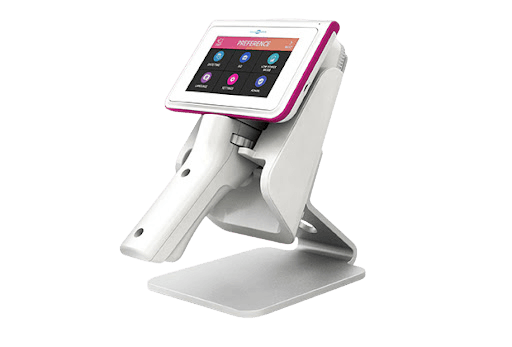
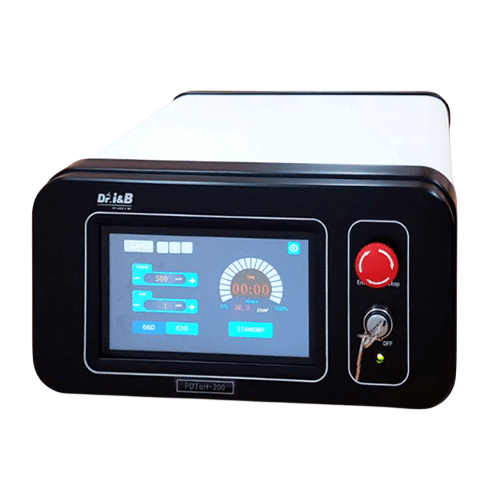
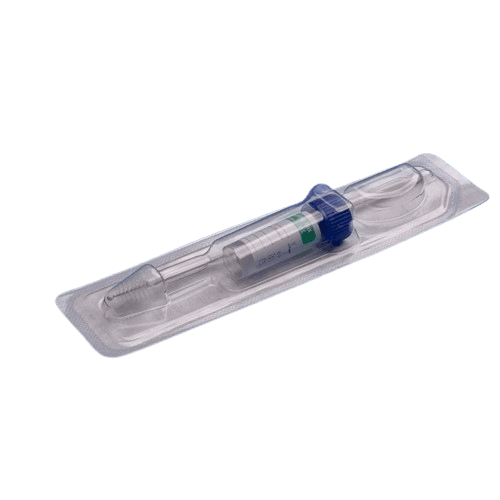
Only Proven Equipment and Products

FDA-approved equipment and genuine pharmaceuticals ensure safe and effective treatment
FAQ

Get Your Questions Answered Before Treatment

The most frequently asked questions from patients, answered by our specialist

HPV infection does not necessarily progress to cervical cancer. Most HPV infections are naturally cleared by the immune system, and only persistent high-risk HPV infections may develop into cancer. Early detection through regular screening is crucial.

Women aged 20 and older should have cervical cytology at least every 2 years, and those 30 and older should combine it with HPV testing. If previous abnormalities were found, more frequent screening at 6-month to 1-year intervals is needed.

Even if already infected with certain HPV types, vaccination is possible and can protect against other uninfected types. The 9-valent HPV vaccine prevents 9 types, so vaccination still offers benefits even after infection.

Aftercare

Post-Treatment Care Instructions

Essential guidelines for optimal results and a smooth recovery

Maintain the Regular Screening IntervalCervical cytology and HPV tests are recommended to be repeated at regular intervals. Rather than relaxing after one normal result, please keep to the next screening time your medical staff advised.
Check Pre-exam GuidelinesFor test accuracy, avoiding your menstrual period and refraining from vaginal washing, suppositories, and intercourse for 2-3 days before the test may help. You will receive detailed preparation guidance when booking.
Minor Bleeding After the ExamAfter cell sampling, slight spotting or discharge may occur and usually subsides within a short time. If bleeding persists or increases, please seek examination.
HPV Vaccination ConsultationThe vaccine may help prevent some high-risk types but cannot block all types. Regular screening is still needed after vaccination, and the eligibility and timing should be decided through consultation with the medical staff.
Follow the Follow-up ScheduleIf progress observation is needed for the test results, it is important to visit according to the re-test or follow-up schedule advised by the medical staff. Please be careful not to postpone the schedule on your own.
Early Care If Symptoms OccurIf you have unusual symptoms such as abnormal bleeding or persistent changes in discharge, it is best to seek care without waiting for the next regular screening. Early detection may be helpful.
Videos

Learn More Through Videos

Watch treatment procedures and patient reviews on video

Related Health Stories

Book Now