

Key Treatment Information at a Glance
Essential details including treatment duration, anesthesia method, and recovery period


Recommended If You Have These Concerns
Check if this treatment is right for your symptoms and condition


See the Difference: Before & After
See the changes you can expect through actual treatment cases

Before / After

Before / After
How the Treatment Process Works
From consultation to completion, we guide you through each step
Why Choose Wooahan Women's Clinic
Differentiated results driven by extensive clinical experience and specialized expertise
 01
01Incontinence Cause Analysis Precisely analyzes the cause of incontinence.
 02
02Voiding Function Measurement Objectively measures and assesses voiding function.
 03
03Cystitis Diagnosis Aids in diagnosing cystitis through rapid urinary tract infection detection.
Only Proven Equipment and Products
FDA-approved equipment and genuine pharmaceuticals ensure safe and effective treatment
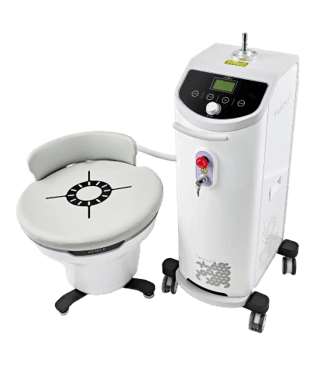
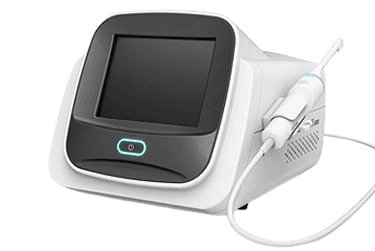
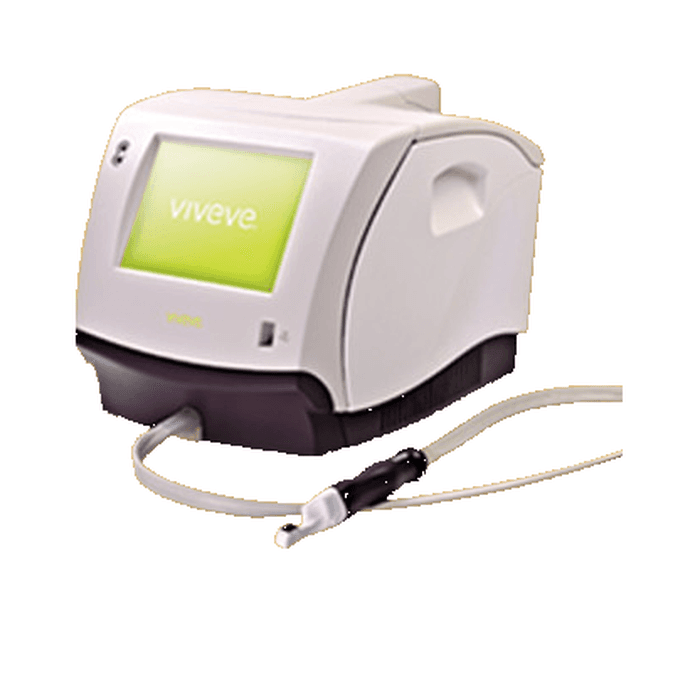
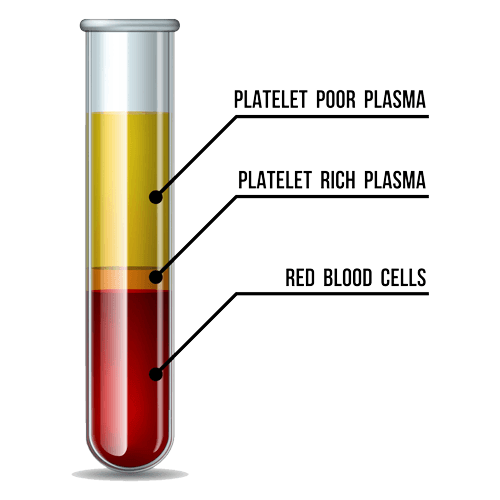
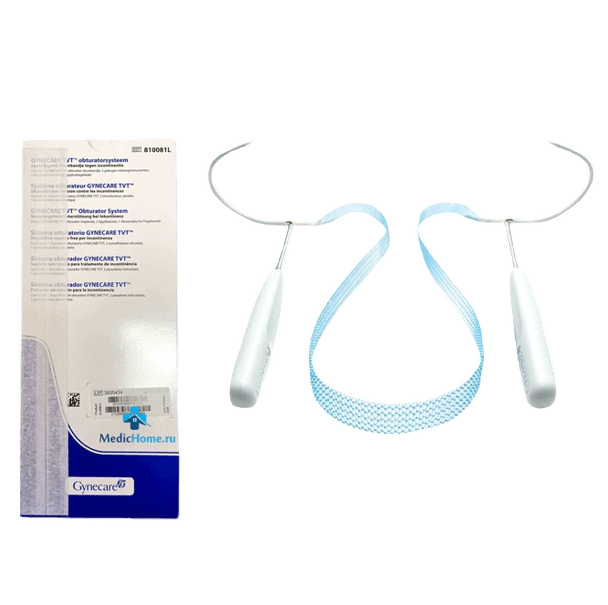
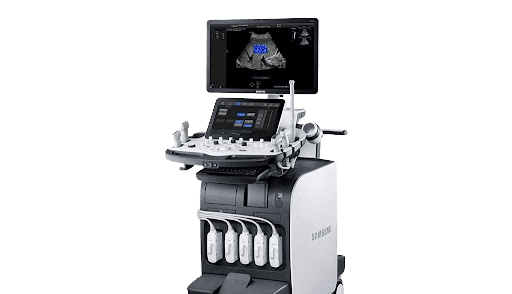
Core Technology Behind This Treatment
Achieving both safety and efficacy based on the latest medical technology
Get Your Questions Answered Before Treatment
The most frequently asked questions from patients, answered by our specialist
Urinary incontinence is classified into stress (urine leakage during coughing or sneezing), urgency (leakage with sudden urge), and mixed (combination of both) types. Treatment methods differ by type, making accurate diagnosis essential.
Mild to moderate incontinence can be sufficiently improved through non-surgical methods such as pelvic floor exercises (Kegel exercises), laser therapy, RF treatment, and medication. The optimal treatment is chosen in consultation with a specialist based on symptom severity.
While childbirth is a primary cause, menopausal hormonal changes, obesity, chronic constipation, and pelvic floor weakening from aging can also cause incontinence. It can occur in women who have not given birth, so specialist consultation is recommended if symptoms appear.
Post-Treatment Care Instructions
Essential guidelines for optimal results and a smooth recovery